Valdur Rare Explorer · Queensland
Rare earths for the magnet age. Found by reading a state.
Valdur Rare Explorer · Queensland
We taught machines to read a state. They found three addresses.
Scroll
Three rare-earth permit applications lodged across Queensland in 2026: Tate River, Coen Corridor and Selwyn. Each sits on a documented signal that no explorer ever followed up.
234 sub-blocks across three applications, ranked by an instrument that was frozen before it was tested. The first thing we measure on each is the one number the district has never had: the magnet-metal fraction.
All three permits are applications, not grants. Nothing on this site is a Mineral Resource or an Exploration Target, and no magnet-metal grade has yet been measured on Valdur ground.
01 / The Thesis
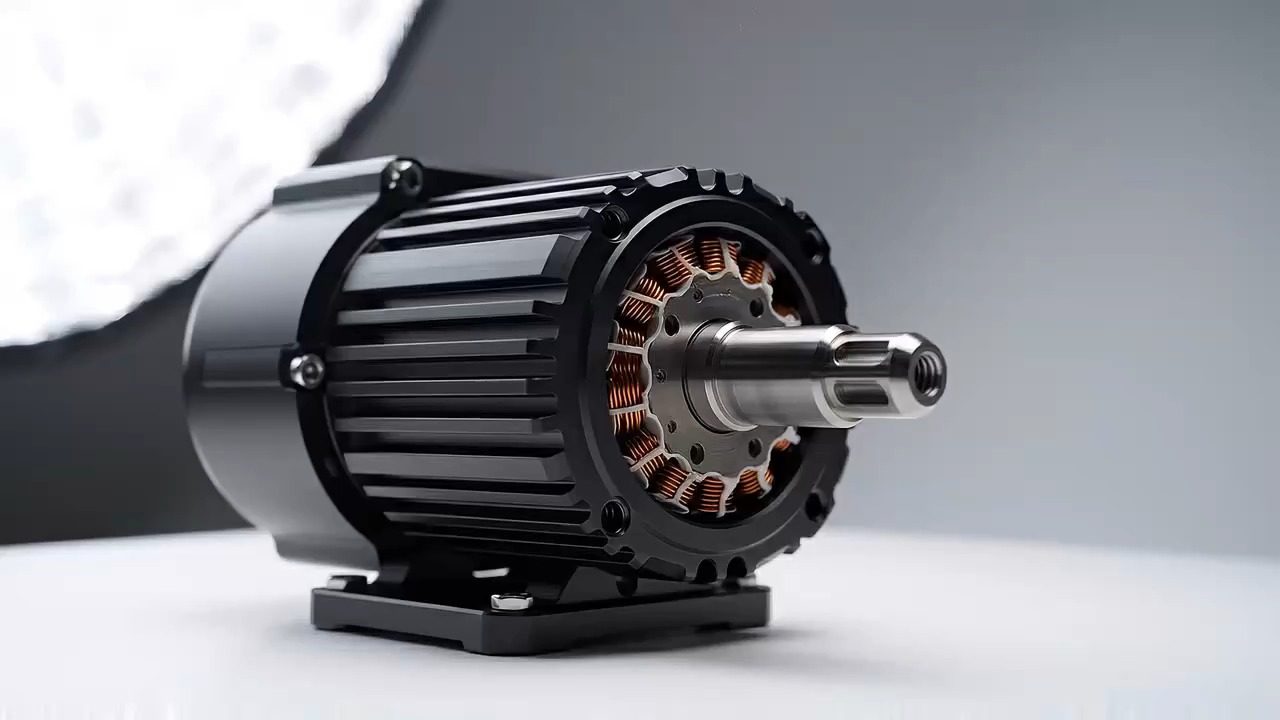
A robot is a magnet multiplier: dozens of NdFeB motor joints per unit, millions of units per year in every serious forecast, and every EV traction motor and wind turbine on the same magnet. The value concentrates in neodymium and praseodymium, with dysprosium and terbium wherever the joints run hot. The West imports that magnet chain almost entirely, and the heavy rare earths from a single country.
Valdur holds three rare-earth positions in Queensland, each found by screening the state's whole public geoscience record rather than by walking a known field. What we do not yet hold is the number that matters most: the magnet-metal fraction of our own ground is unmeasured. Dysprosium and terbium have never been assayed in place on any of the three permits. Measuring them is the first thing Year 1 does.
02 / Three Applications
Three signals nobody followed up.
Tate River
A fluorine-rich fertile granite suite in the historic Tate tin field, where rare earths were only ever by-catch to tin programs. A 1997 soil traverse read a 3.6-times cerium contrast inside our schedule against the same job's ground outside it, corroborated by stream sediments from two other laboratories and two other methods. Regolith-hosted: clay or residual monazite-xenotime, and Year 1 decides which.
Open the 3D terrain →Coen Corridor
The highest-ranked open rare-earth position our screen has produced on Cape York, on the one deposit style the ranking instrument is statistically validated for: sediment-hosted monazite. Stream-sediment yttrium reaches 772 ppm in the eastern corridor and 514 ppm in the western, the two highest yttrium positions the group holds anywhere in Queensland. A bulk sample is a board priority.
Open the 3D terrain →Selwyn
The top-ranked thorium node of its class in the whole-of-Queensland airborne screen, on the high thorium-uranium-fluorine Squirrel Hills Granite beneath a sandstone cap. A major recorded the anomaly, published a detrital explanation in a figure caption, then surrendered the ground because it could not find copper. That explanation has never been field tested, and one instrument traverse settles it.
Open the 3D terrain →Historic assays are from open-file company and survey reports and are indicative of prospectivity only. They are not a Mineral Resource or an Exploration Target.
03 / What Year 1 Measures
Carrier mineral first. Tonnage never before.
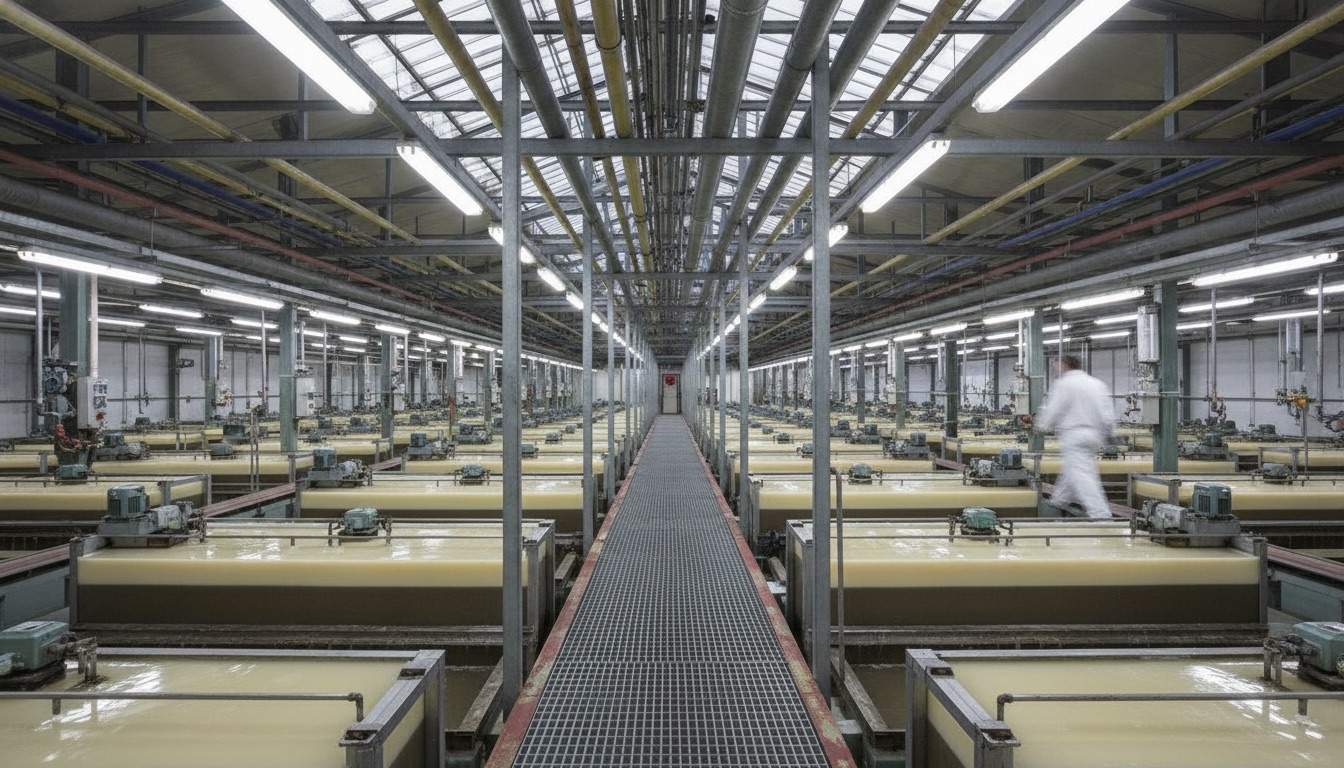
A rare-earth number without its mineralogy is worth very little. Ion-adsorption clay, residual monazite-xenotime and hard-rock allanite each take a different processing route and carry a different share of magnet metals. So the Year 1 program on every Valdur permit is a deportment test, not a tonnage hunt: full-suite assay of all fourteen lanthanides plus yttrium and scandium, a sequential leach to see what is held on clay and what is locked in grains, and heavy-mineral identification of the carrier.
Only then do we know whether a permit's rare earths are mostly lanthanum and cerium, which are near-valueless, or carry the neodymium, praseodymium, dysprosium and terbium that a magnet maker will pay for. We will publish the split when we have measured it, and not a forecast of it before.
Downstream context
Where magnet metals are won.
A Fable Resources company
One engine. Four explorers.
Fable Resources
The AI-first targeting engine and the three-horizon thesis behind the family.
Fable →Eirzan Copper
The metal the AI build-out can't do without: nine applications across Queensland, copper, silver-lead-zinc and phosphate.
Eirzan →Kinkosa Critical Minerals
Bauxite on the Weipa plateau surfaces of Cape York and gold in central and southern Queensland: five applications lodged.
Kinkosa →